

With only 36 visitors allowed per day to Bario, there isn’t a lot of information about it. But, for a taste of kampong, here’s what we recommend.
What to do and where to stay in Bario?
If you’re planning a trip to Bario, here’s all you need to know about the tourist attractions and accommodations there.
Things to do:
1. Pineapple farm
2. Tosari farm (strawberries and more)
3. Paddy field experience
4. Visit a salt spring
5. Learn traditional dances and games
6. Drink their Bario Rice Coffee
7. Sunrise hike up Prayer Mountain
8. Sampan ride
9. Visit Batu Ritong
Place to stay:
10. Nancy Hariss Home Stay
Do note that these attractions are not available on Google maps. We recommend at Nancy Hariss Home Stay, where the host, Nancy, will plan out your itinerary and arrange for private transport as well.
The best things to do in Bario
1. Pick your own pineapples at their Pineapple Farm
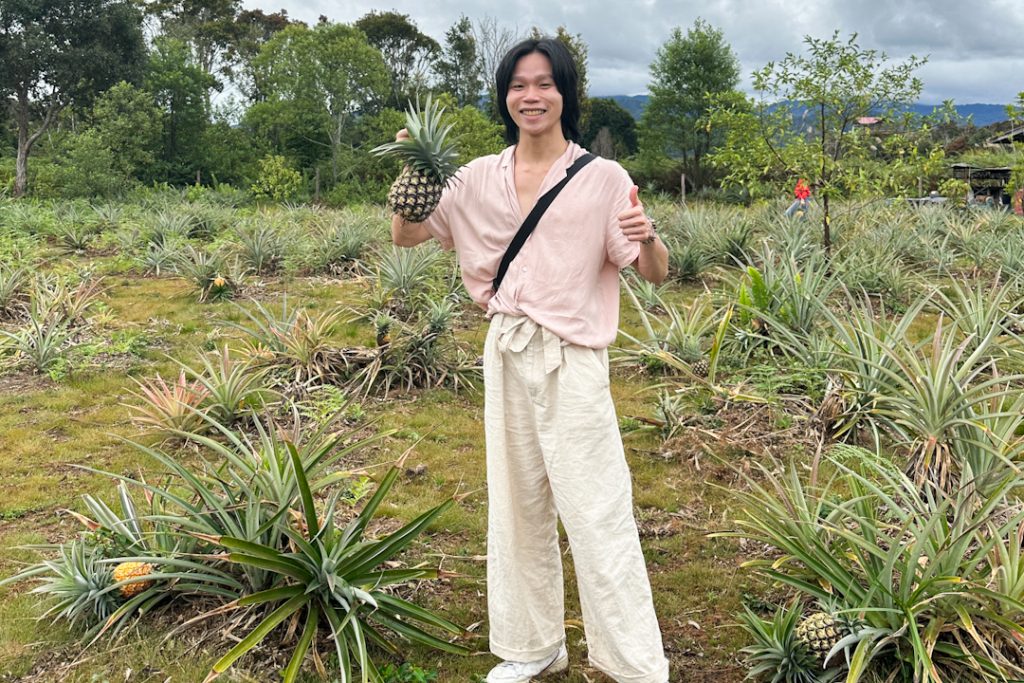
You have to eat Bario’s famous pineapples — known for their sweetness and lack of “bite” (the stinging acidity on your tongue).
But, take your experience up a notch by picking your pineapples instead!
1kg costs RM 4, which means 1 average-sized pineapple is about RM 5, which is about $1.7.
To tell which pineapples are the sweetest, pick the ones with the biggest eyes.
If you’re planning to eat one on the spot, opt for the yellow-orange ones. Otherwise, pick the greener ones so you can bring them home.
2. Harvest strawberries and capsicum at Tosari Farm
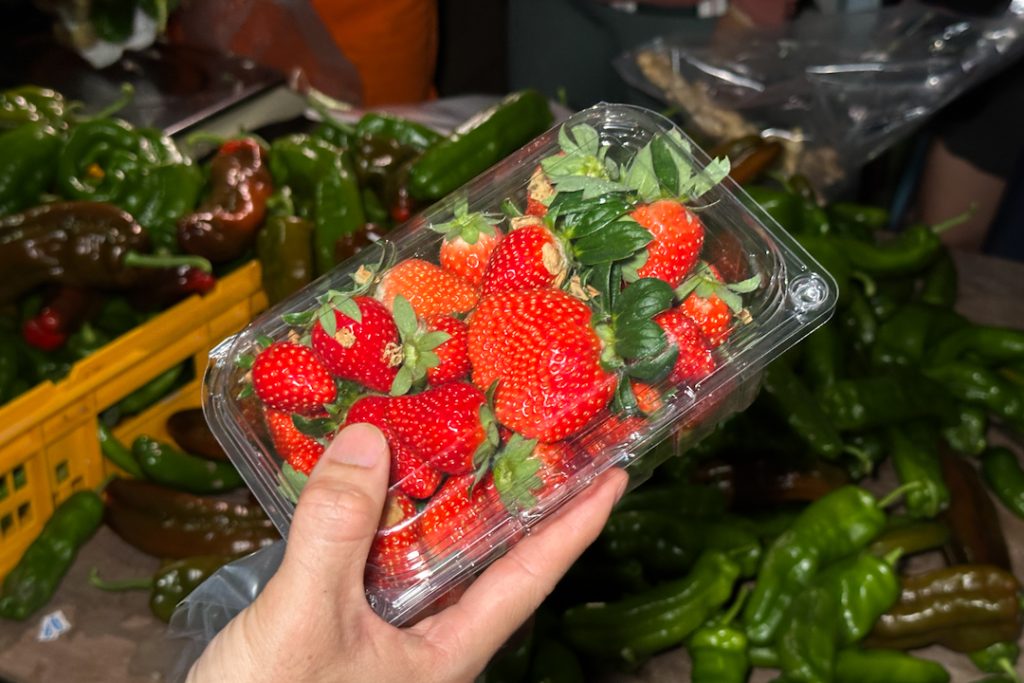
In addition to pineapples, you have to try their fresh produce.
Tosari Farm is one of the few small-scale farms that grows a range of fruits and vegetables, such as calabash, sha cha chi, capsicum, ginger, and strawberries.
For a hands-on activity, we recommend picking your own strawberries. There is no admission fee, and the strawberries cost RM 60 per kg.
The farm owner recommends visiting between 2:30pm and 5pm.
3. Try working at an actual paddy field

Experience the hardship of rice farmers in Bario.
This activity can be as short as five minutes if you just want a taste of it, or if you just want to snap some nice photos.
But, you do have to wear a pair of long socks to enter the fields. It’s also recommended as the socks prevent any mud from actually sticking to your leg.
You can buy a pair of long socks at their mini mart for RM 4.
4. Witness a real-life Salt Spring

Bario is famous for their salt, and here’s where you can witness parts of the salt-making process.
Located a 30 minutes drive and a short hike from the home stay, this salt farm produces 40 to 60 sticks of salt (30cm in length).
It takes 3-4 days to finish the entire process, which begins with 24 hours of boiling salt water, drying overnight, and giving it a final torching as it’s being packed in the leaves.
However, there is no fixed operating hours as they only operate according to how much stock they have left. Hence, it’s important to ask Nancy to liaise with them in advance.
Available at the Bario Market, the Big Stick costs RM 25, while the Small Stick costs RM 15.
5. Dance with Rurum Kebudayaan, a traditional cultural group
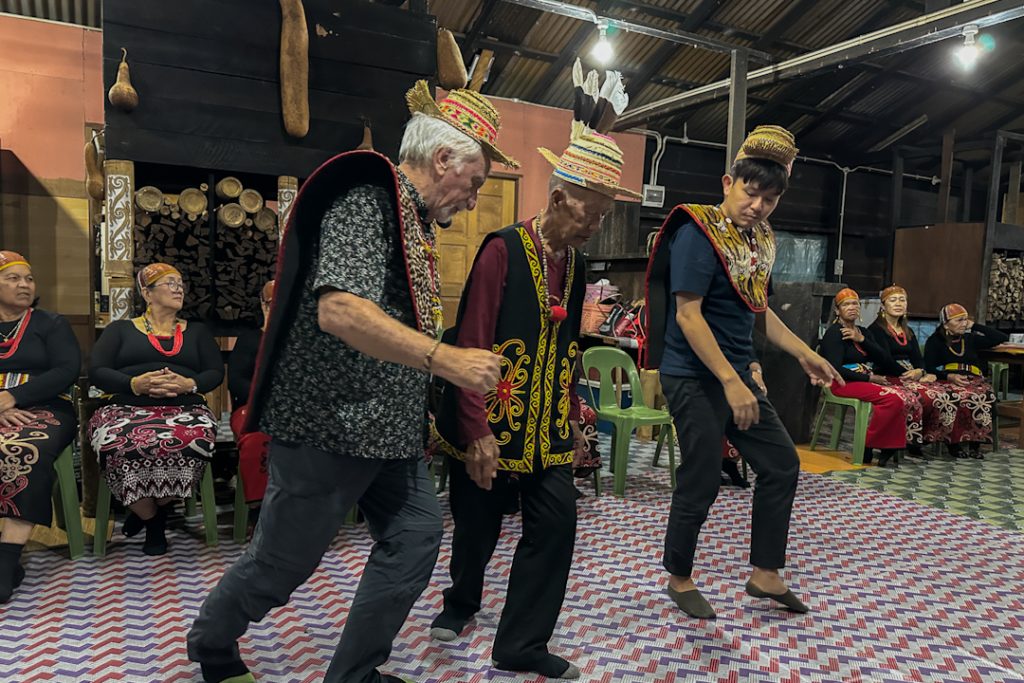
Traditional dances, songs and games — learn all about the Kebudayaan, a cultural group in Bario.
We spent two hours in a Long House, which is a literally a lengthy house that accommodate multiple families, commonly used in the olden days in Bario.
Not only did we get to watch their graceful warrior dance and ladies dance, an imitation of the way hornbills move, we also had the chance to dance with them.
6. Sip on their traditional Bario Rice Coffee
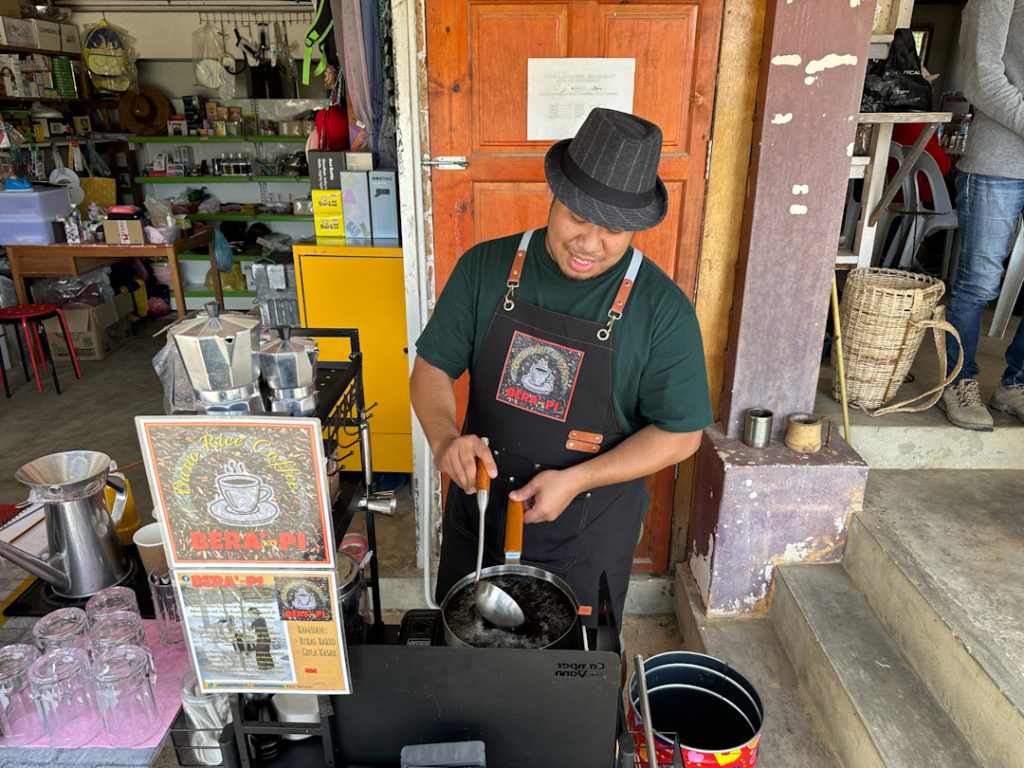
Despite its label, this traditional drink contains no caffeine, and is made purely out of roasted Bario rice.
This is invented in olden days before coffee was introduced to the region. It’s rarely made in the modern day, but this nostalgic for many Bario villagers have been revived by Hezekiah Asim, a young local.
One cup costs 5 RM, and you its nutty and almost like a popcorn, reminiscent of a Japanese hojicha tea.
You can also purchase a pack of roasted Bario rice for RM 15 for 250g if you’d like to make it at home.
Hezekiah’s store is located at the market near Nancy’s home stay. Unfortunately, there is no fixed operation timing as Hezekiah lives in Miri, and only visits Bario when his schedule allows for it.
7. Hike up Prayer Mountain to see the sunrise
For an unforgettable sunrise, climb up the Prayer Mountain in Bario.
Although it’s just a short one hour hike, it takes grit and determination to scale the mountain due to its steep and rocky path. A rope is installed on the road, to allow you to cling onto it while hiking.
Do note that the hike is subjected to weather conditions. If it rains in the morning, or heavily the night before, we recommend skipping it as the road could be extremely muddy and dangerous to hike on.
8. Sampan Ride
Enjoy a tranquil sampan ride down the river.
You can either opt for a short ride, where you get picked up at a separate point, or the full package where you get to stay in a separate lodging by the river overnight.
Do note that the sampan ride is subjected to weather and river current.
9. Visit a World Heritage Site, Batu Ritong
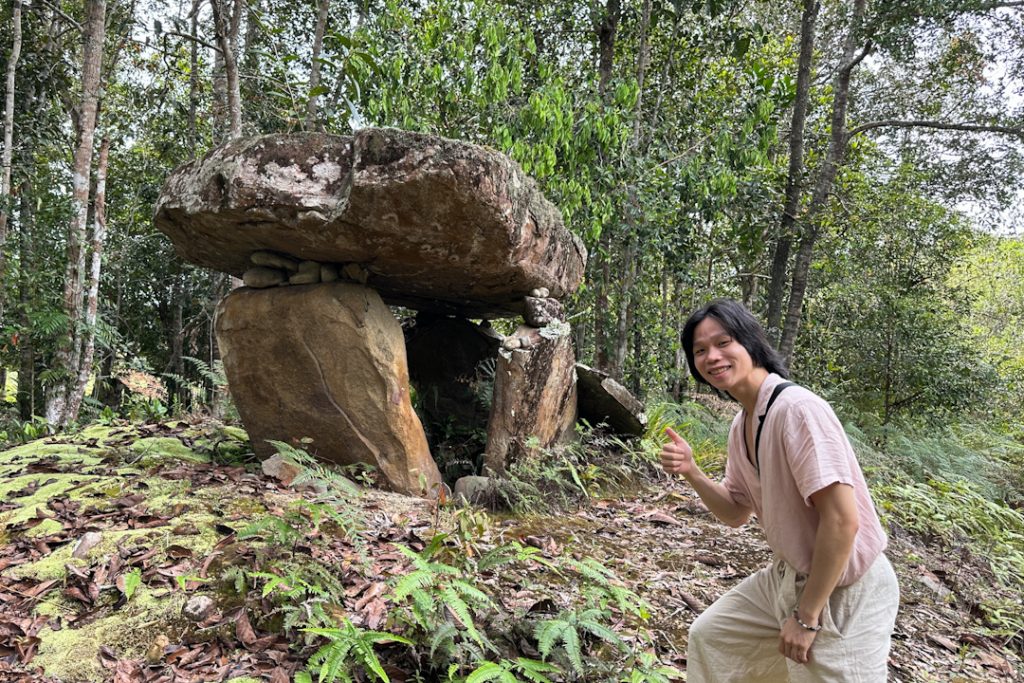
Check out a cool looking megalith that was created thousands of years ago.
There is an interesting story behind its purpose and creation, which your guide can share along the way. After visiting this rock formation, you can also grab a cup of tea at a nearby villager’s house.
This is located at Pa Lungan, a kampong that’s located an hour’s drive from Nancy Hariss Home Stay.
Where to stay in Bario?
If you’re planning to travel to Bario, here’s where we recommend lodging at Nancy Harris Home Stay.
10. Nancy Hariss Home Stay
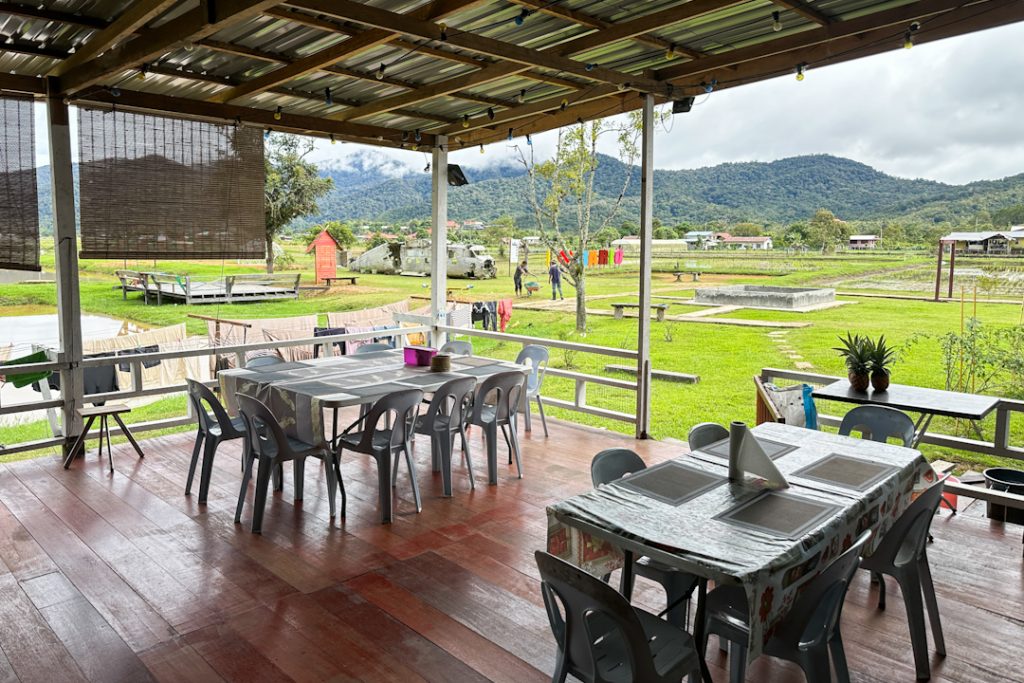
This is one the most highly-acclaimed home stays in Bario for good reason.
It’s a convenient 3km ride from Bario Airport, it’s clean, the food is great, and most importantly, they’ll plan your itinerary and arrange the transport as well.
As there are few landmarks here that are reflected on Google Maps, coupled with the unstable data connection, we do not recommend exploring Bario alone. Furthermore, the roads here are extremely bumpy on certain roads, and takes skills and experience to maneuver.
Frequently asked questions about Bario
1. What is Bario known for?
Bario is known for their salt, rice and pineapples. Their livelihood is centered on agriculture. Hence, most of the tourist attractions here are based on farming, such as strawberry plucking, pineapple harvesting, and salt spring visits.
2. How many days should I stay in Bario?
If you’re planning your Bario itinerary, we recommend a 2D1N, or a maximum of 2D2N if you prefer an early flight the next day.
3. How to get to Bario?
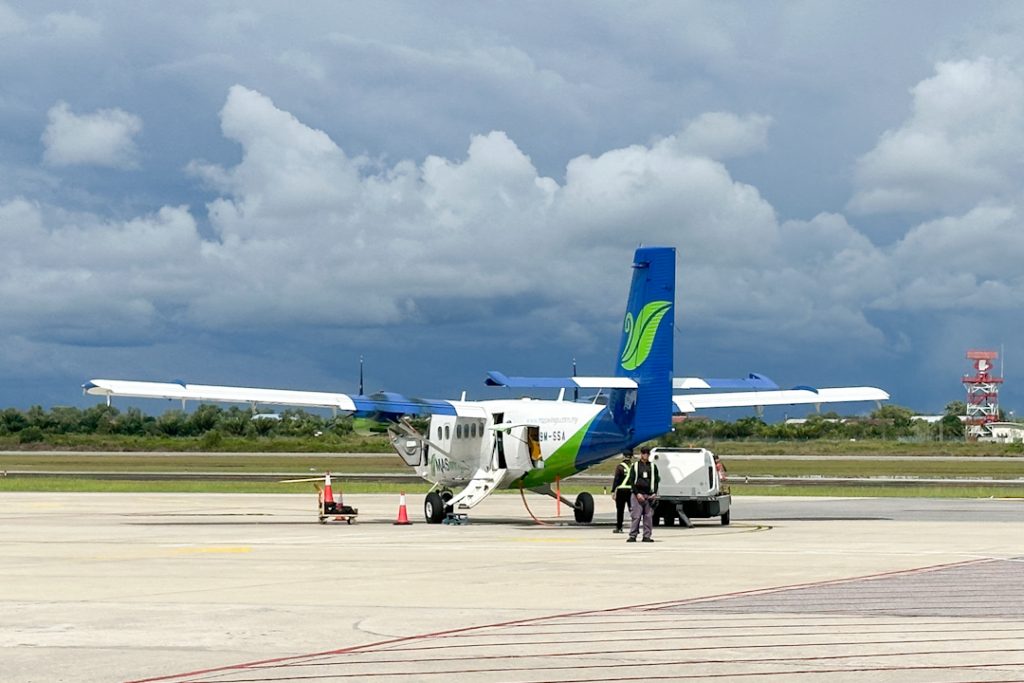
To travel to bario, you can either book a Twin Otter plane from Miri or Marudi. But, there are very few flights into Marudi and it wouldn’t make sense unless you’re a local there. Alternatively, it’s a bumpy 12-hour car ride up the mountains, which we do not recommend.
4. Are there hotels in Bario?
If you’re looking for accommodations in Bario, there are no hotels available, only home stays.
The most highly-acclaimed home stay is Nancy Harris Homestay, which includes accommodation, meals, transport and planned activities.
Follow us for more content!
Looking for more things to do in Malaysia? Check out our guide on:
